
This is the first blog in a series of Conversations about Science with scientists, science educators, researchers, and teachers, written for classroom educators.
What happens when an early-learning science educator and a reading-teacher-trained researcher get together? Science magic!
Naomi: Cindy, did you know that I once had my heart set on being a reading teacher? That’s probably why I’m always trying to weave literacy into my research. You’ve done the same—finding ways to integrate early science teaching and learning in every context. That’s one reason I’m so excited about CAESART! It brings our literacy and science passions together to support elementary science teaching and learning.
Let’s talk about what it means for young children to behave, think, and communicate the way scientists do.
Cindy: Absolutely! But first, can we talk about a common misconception about science? Many people think science is a collection of information and facts, and that scientists are people who are supposed to have all the answers. Of course, science includes a huge body of knowledge, but it is primarily a way of exploring and trying to make sense of the world around us.
When we raise questions, investigate to find answers, share our findings, and come up with ideas to explain what we observe, we’re doing science. Being a scientist doesn’t mean knowing all the answers. It means pursuing the answers to our questions.
In fact, one of the most important things we can teach children about science is that their ideas about the world and how it works need to be supported by evidence. If new, reputable evidence shows that what we thought was true isn’t quite right, then we need to rethink our ideas and come up with a better explanation. This is called sense-making. Scientists do it, and children can do it too. It also helps children become more thoughtful consumers of information.
Naomi: What are some ways educators can help young children engage in this kind of sense-making?
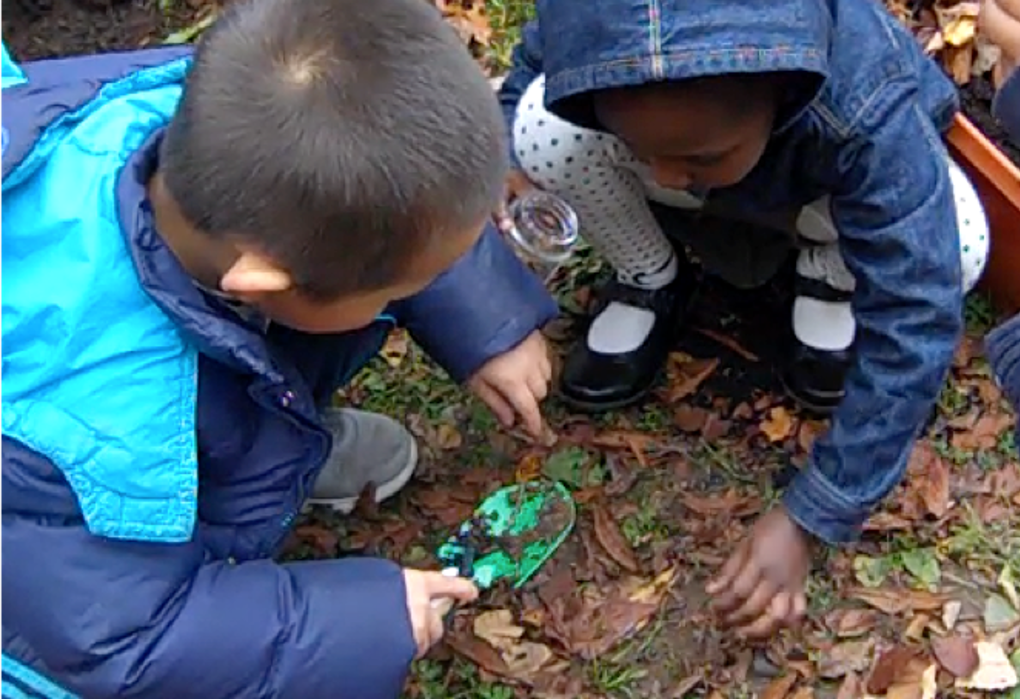
Cindy: A good place to start is by building on the traits children already share with scientists, what we call scientific habits of mind. Young children are super curious! They ask lots of questions. They explore their surroundings with all their senses. And they look for relationships and patterns that help them understand how and why things work the way they do.
Our job is to encourage those behaviors and give children the language they need to describe their observations, formulate their questions, and explain their thinking. During a typical packed school day, it’s not always possible for teachers to do this in the moment. In those cases, communicating a strong interest in students’ thinking, and making plans to dig into it with them later, can make a huge difference in how children feel about themselves as budding scientists and sense-makers.
These practices can help children develop into adults with the scientific habits of mind of observing, asking questions, listening to other points of view, and persevering when things get challenging.
Naomi: This is also about helping children understand that unexpected results or unsuccessful attempts aren’t failures—they’re actually opportunities to learn!
Cindy: Exactly. Sometimes we focus on what children are learning and forget to think about the skills they’re developing along the way.
These skills include looking at a question or problem from a new perspective; applying evidence to new ideas or solutions; being able to change their mind when the evidence conflicts with what they thought was going on; or trying a new approach when a first effort did not work out. These abilities don’t just impact children’s ability to learn science, they also impact children’s growth and development across all subject matter areas and life experiences.
Naomi: Yes! And they also tie in to children’s oral language development, because science provides opportunities for not only doing these things but talking about them as well! I’d really like to emphasize the intimate connections between science and language. Language helps children think through ideas and communicate them to others—as well as themselves!
Using think-alouds is one literacy strategy teachers can use to model science practices like identifying questions and problems, planning and doing investigations, and problem-solving.
Cindy: I completely agree! Every one of the science practices includes opportunities for children to develop oral language and speaking-and-listening skills. When we think about vocabulary, words like prediction, observation, and explanation are important, but there is also a huge range of other nouns, verbs, and descriptive words students can use on a day-to-day basis. The CAESART website also has a post about language support strategies that dovetail beautifully with science talk
Naomi: Given all the skills that young people can gain from science, what about parents and their perspective? Families may not view science as critical to their own children’s futures and may not see the links between science, language, and literacy learning. There are also families who are really into science but may want the focus to be more on science content and less on children’s engagement in doing science. How do we help parents and caregivers think about and value elementary science learning?
Cindy: That’s such an important question. One way to approach them, and that can also be relevant to teachers, is to hook them with their own personal experiences. I like to remind them that we all use science every day, whether we know it or not. Grocery shopping is one example. As we shop, we collect data on things like price, freshness, ingredients, and nutritional information, and we make decisions on what we’ll feed our kids. That’s a form of collecting and using evidence.
But my favorite, and I think most effective strategy, is to get adults engaged with their children in real science inquiry in their daily lives, or at school events such as family science nights where they come together and explore interesting questions. These don’t need to be fancy affairs! Teachers can also share some of the wonderful science programming on public broadcasting, with suggestions for co-viewing. These opportunities enable them to experience the relationship between active engagement, language and literacy integration, and learning in science firsthand!
Naomi: Thanks, Cindy! I’ve enjoyed our time talking about science and literacy. Seems like developing kids’ scientific habits of mind—including their literacy and communication skills—can support them through school and beyond.
In our next conversation, Don’t break the bank for science! Practical suggestions to make science activities affordable for every classroom, we dive deeper on how teachers can help support young learners to think and behave like scientists with everyday materials.
Suggested resources:
Let’s Talk: Linking Science and Language Learning in the Preschool Classroom: a teacher furthers a student’s natural sense of observation into scientific thinking using science talk.